

What Happens When You Give Land Back to Nature?
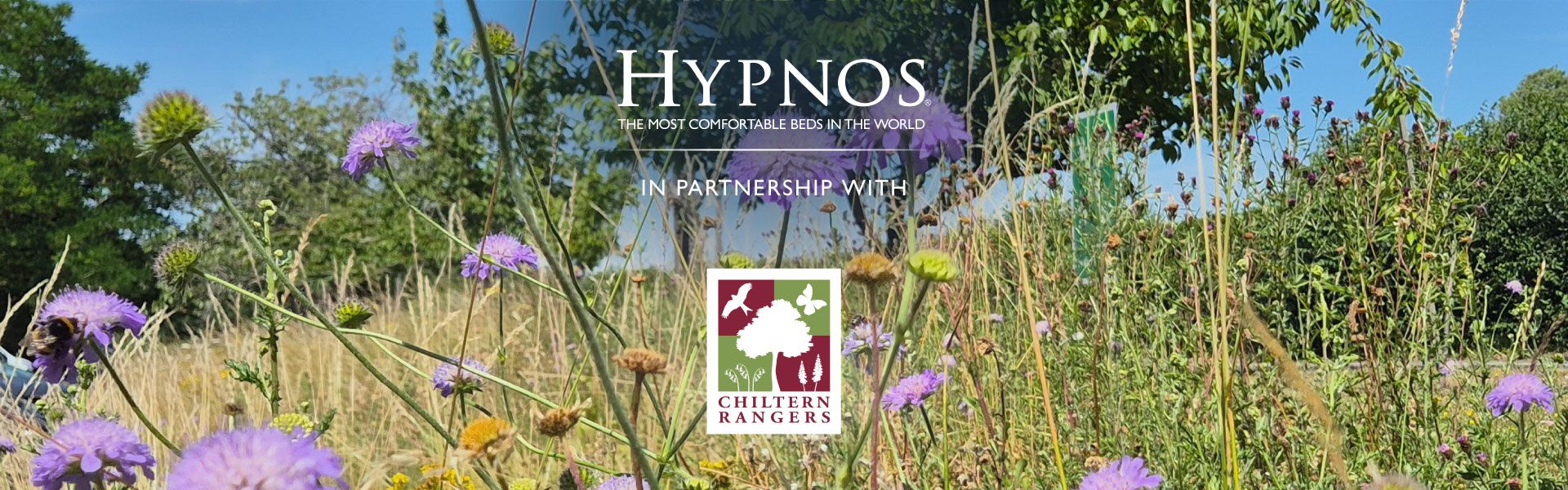
Our wildflower meadow project in partnership with Chiltern Rangers started 4 years ago aimed at passing over a section of our land to nature, to play a part in restoring the native plant species that live in the surrounding areas of the Chilterns, and to show you the beautiful potential of rewilding even at a small scale. The wild meadow includes a suite of different species that flower throughout the year, providing a long pollinator window from March to October
John Shaw, Managing Director at Chiltern Rangers guided us through the project, along with the rest of Chiltern Rangers. He’s brimming with knowledge and enthusiasm for nature and has selected a handful of the wildflowers in our meadow for you below. Each play a significant role throughout the year in restoring wildlife and bringing a piece of the Chilterns beautiful landscape to our doorstep.
K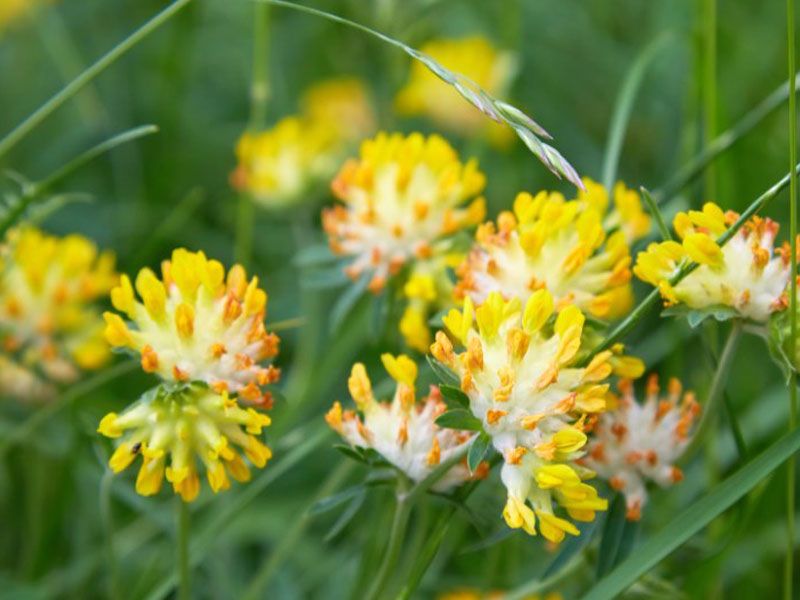 idney Vetch
Have you seen the Small Blue butterfly recently? Well, you’ll be more likely with Kidney Vetch around. This delicate yellow flower is small in nature and big on impact. It’s the only plant that the Small Blue’s caterpillars will eat. So, it’s vital to its survival and if you want to see more of the Small Blue in your garden you’ll need this small, yellow flower with its woolly appearance.
Wild Marjoram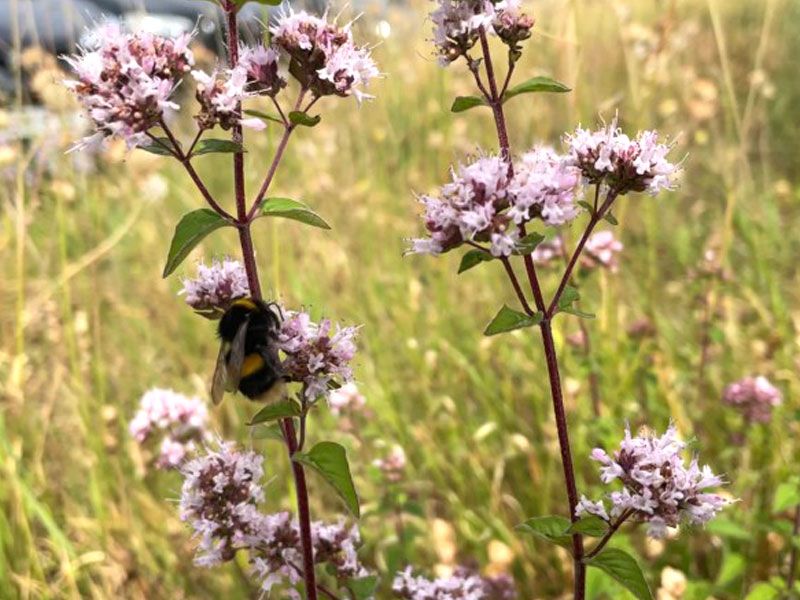
Oregano is a classic and aromatic Mediterranean herb often used in cooking. But did you know that it's the same species as our wild marjoram? In the cooler climate of the UK, wild marjoram develops a slightly different scent, but it is still an excellent herb for use in the kitchen.
Like many of our native plants, wild marjoram is an excellent food source for all kinds of insects, so try planting it in your garden to provide not just an ingredient for your own kitchen but also a rich source of nectar for a range of bees. In our patch we had a range which included the Ashy Mining Bee, White-tailed Bumblebee and Honey Bees.
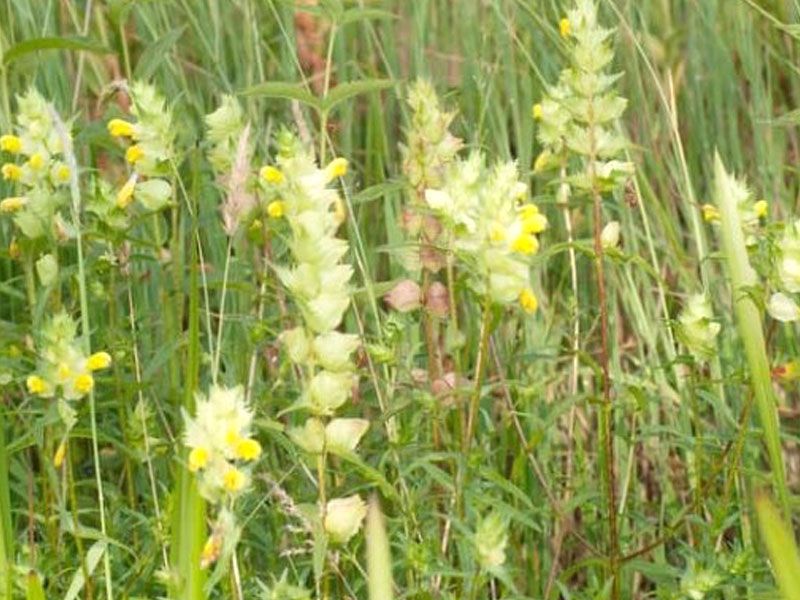 Yellow Rattle
If you were to brush through our wildflower meadow, you'll hear the tiny seeds of Yellow Rattle rattling in their brown pods, hence its name!
Yellow Rattle has yellow, tube-like flowers. It has serrated leaves with heavy, dark veins, which sprout opposite to each other all the way up the stem.
The other name for Yellow Rattle, which is more commonly used to describe this wildflower, is the meadow maker which highlights why we planted this super plant. It lives a semi-parasitic life by feeding off the nutrients in the roots of nearby grasses. For this reason, it was once seen as an indicator of poor grassland by farmers. Now however, it is often used to turn improved grassland back to meadow - by feeding off the vigorous grasses, it eventually allows more delicate, wildflower species to push their way through.
Knapwee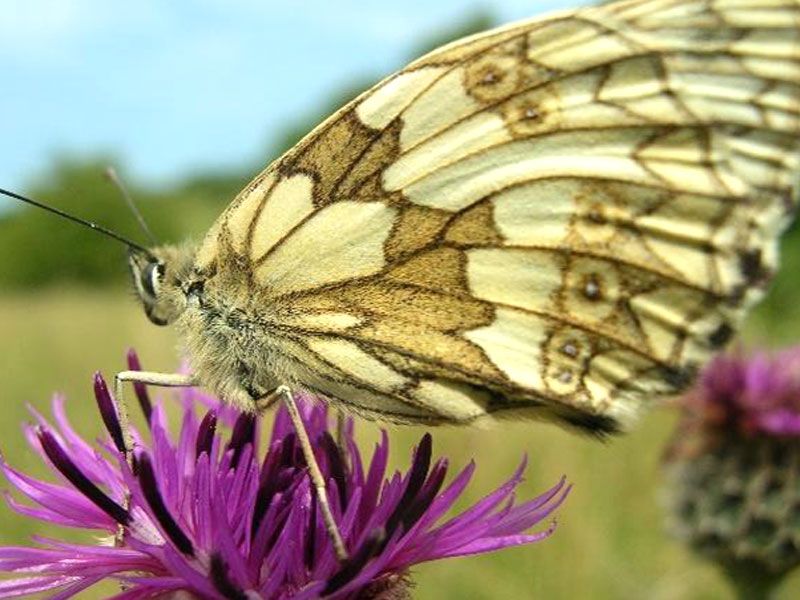 d
d
The tightly packed, thistle-like purple flower heads of Common Knapweed bloom on all kinds of grasslands and meadows. Also regularly called Black Knapweed, this plant attracts butterflies, bees and other pollinators.
It's a favourite among butterflies like Common Blues, Marbled Whites, and Meadow Browns.